About Sean
Bridging the gap between technological innovation and responsible governance to help organizations harness AI’s potential.
Background
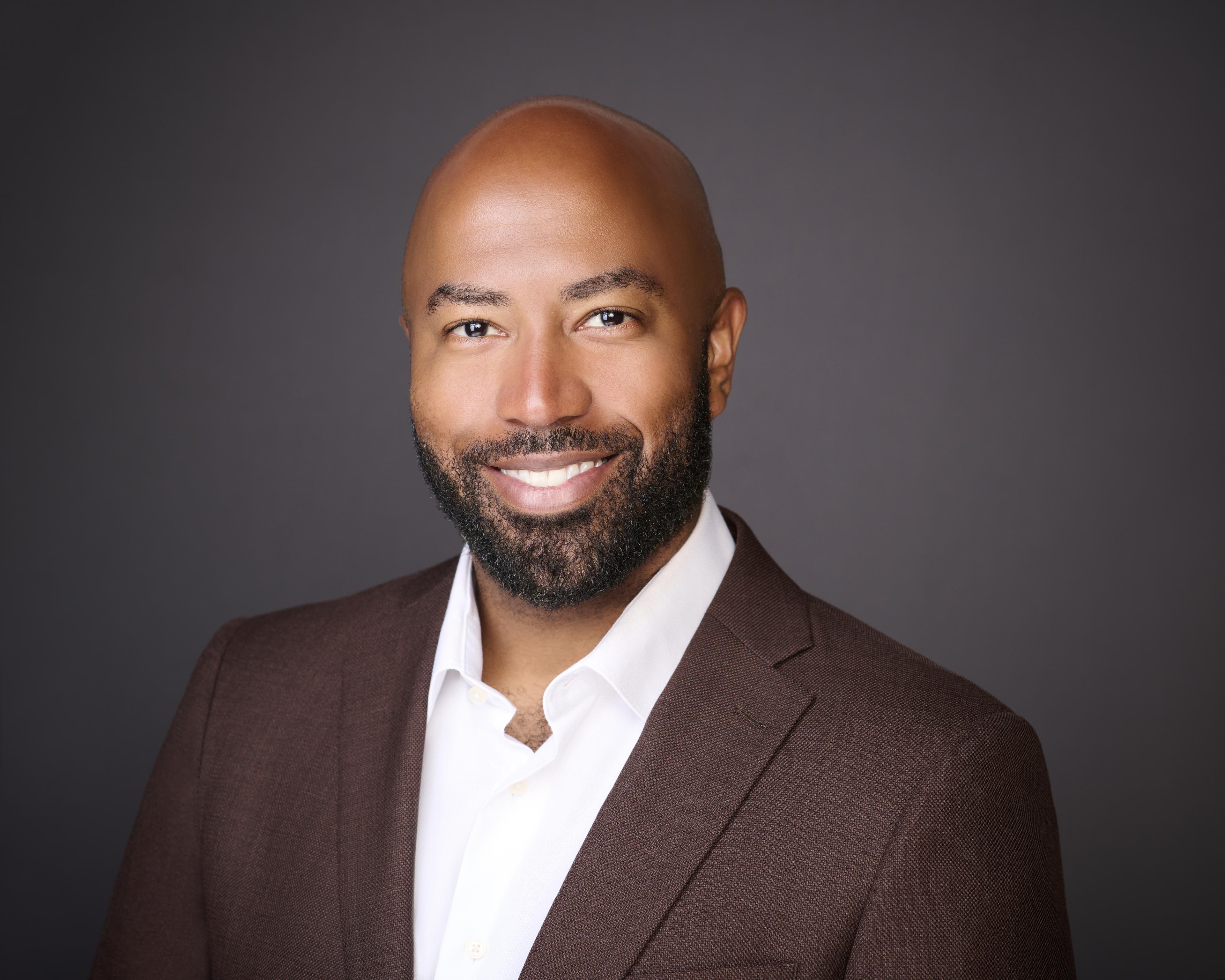
Sean Perryman works at the intersection of AI policy, corporate strategy, and ethical implementation. His career spans Capitol Hill, Silicon Valley, and law school classrooms. He translates congressional intent for engineers, explains technical constraints to policymakers, and helps executives understand when ethical concerns are actually business risks in disguise.
As Counsel to the late Congressman Elijah Cummings, Sean advised on the early regulatory debates that shaped how Congress thinks about facial recognition, algorithmic accountability, and technology governance.
What distinguishes Sean’s work is his ability to move fluidly between worlds that rarely speak the same language. He’s equally comfortable briefing C-suite executives, testifying before lawmakers, or teaching first-year law students.
Beyond consulting and teaching, Sean writes and speaks about AI’s broader implications through The Human Cost, a platform examining what happens when algorithms increasingly mediate human relationships, decision-making, and social connection.
Career Highlights
Key experiences that shape my approach to AI policy and governance.
Global Head of AI Policy at Uber
Uber's first Head of AI Policy; Authored Uber's first US and EU Algorithmic Transparency Reports.
Congressional Counsel
Advised the late Congressman Elijah Cummings on the House Oversight Committee on facial recognition, algorithmic accountability, and technology governance.
Academic Leadership
Designed Vanderbilt Law School's first AI ethics course. Currently teaches law and policy at Vanderbilt and Marymount University.
Board & Advisory Roles
Center for Democracy & Technology Advisory Board member. Former FCC Advisory Committee on Diversity and Digital Empowerment appointee.
My Approach
Sean doesn’t offer easy answers to hard questions. Instead, he provides frameworks for thinking through complexity, anticipating where regulation is headed, and making decisions that balance innovation with accountability.
His clients describe him as “refreshingly pragmatic”. He is someone who understands that perfect solutions rarely exist, but better decisions always do.
Sean specializes in the gray areas and the ethical questions that don’t have obvious answers. He helps organizations think through tradeoffs, anticipate stakeholder concerns, and make defensible decisions when there’s no perfect option.
Perfect solutions rarely exist, but better decisions always do.”— Sean Perryman